
Safe Cleaning Procedures for Wet Areas: Tips for Cleaning Bathrooms and Kitchens, and How to Prevent Electrical and Plumbing Accidents
- Jun 29
- 3 min read
Bathrooms and kitchens are two of the most frequently used areas, and they are also constantly damp. The combination of high humidity, cleaning chemicals, grease, and dirt makes these spaces ideal environments for bacteria and mold to grow, easily causing pipe blockages. More importantly, these areas also house many high-power electrical appliances, increasing the risk of electrical and water leaks if not properly addressed.
Cleaning wet areas isn't just about aesthetically cleaning surfaces; it needs to be done scientifically and safely. This article will provide detailed instructions on optimal cleaning steps for bathrooms and kitchens, while also offering core principles to minimize electrical short circuits or plumbing system malfunctions during cleaning.
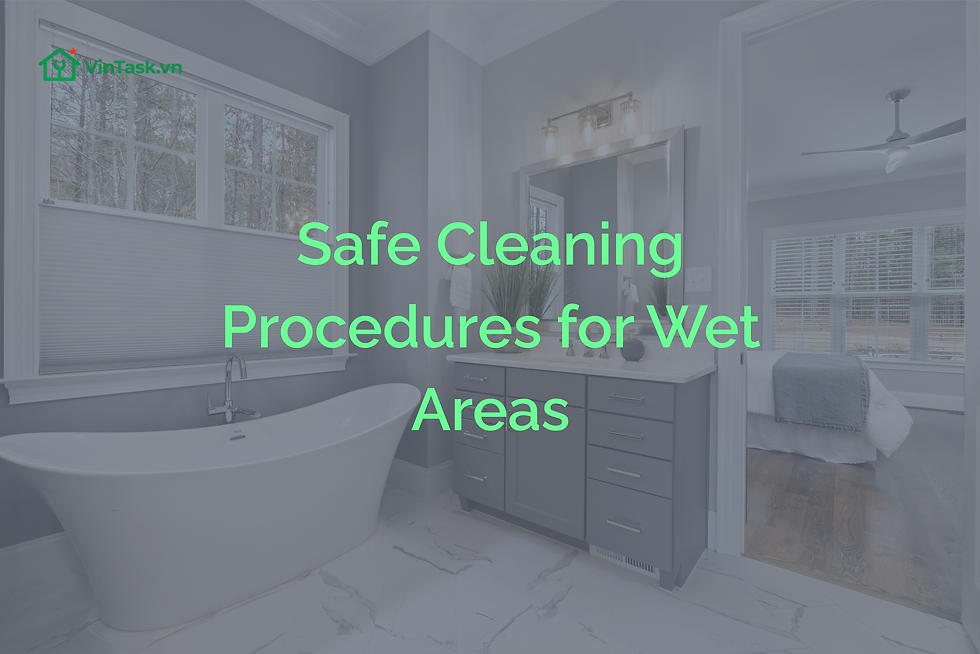
Bathroom Cleaning: Remove mold and unclog pipes.
Bathroom floors, toilets, and sinks are constantly in contact with soap, chemicals, and tap water, making them prone to yellow stains or calcium deposits. To deeply clean these areas, the process should focus on the following steps:
Disinfecting toilets and cleaning porcelain fixtures: Use a specialized cleaning solution, spray it around the toilet bowl and in hidden corners under the rim, and let it sit for 5-10 minutes before scrubbing and flushing. For washbasins, use a soft sponge to avoid scratching the enamel.

Clean your floor drain to prevent odors: Hair and soap residue that accumulate over time in the drain filter are the main causes of blockages and foul odors rising back into the bathroom. Regularly remove the drain cover, discard all coarse debris, and scrub the filter clean with a brush.

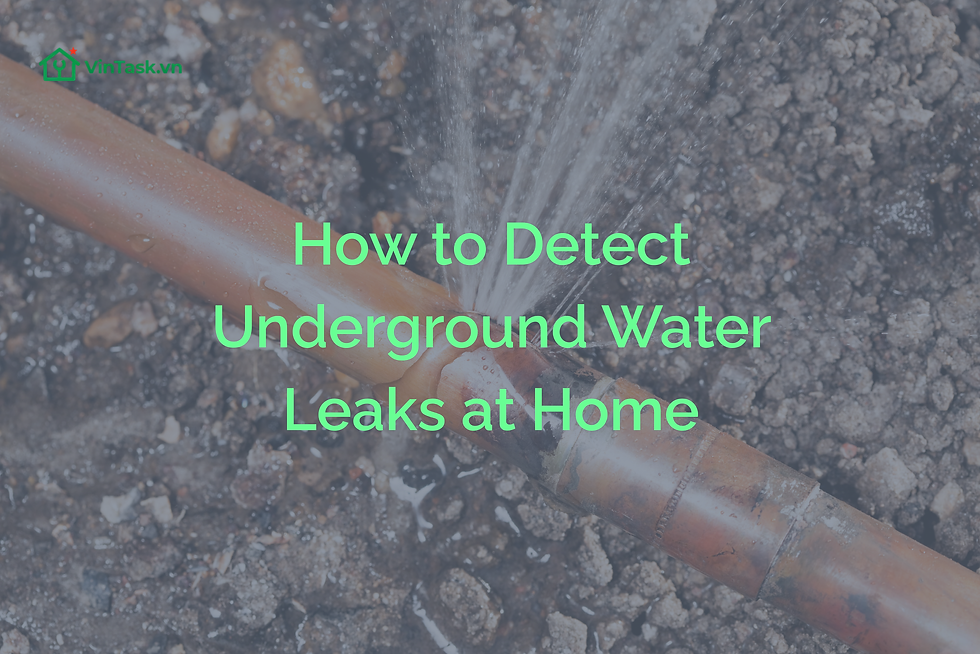
During bathroom floor cleaning, if you notice slow drainage, constant overflow, or unusual gurgling noises from the toilet, it could be a warning sign of a blockage or underground leak in the plumbing system. Immediately implementing measures to inspect and detect underground water leaks in your home will help identify bursts early, preventing water from seeping in and damaging the walls and foundation of your house.
Kitchen Cleaning: Cleaning grease and maintaining equipment.
Kitchens are places where grease and oil accumulate frequently during cooking. If not cleaned regularly, this grease will stick to surfaces, making them unsightly, creating unpleasant odors, and reducing the lifespan of appliances. The kitchen cleaning process should include the following points:
Cleaning cooktops and countertops: Use specialized kitchen cleaners to remove grease and grime from gas stovetops, induction cooktops, or countertops immediately after cooking. For stubborn stains, a mixture of baking soda and vinegar can be used for natural cleaning without damaging the appliance surface.

Cleaning the range hood filter: This is an often overlooked part, yet it's where the most grease accumulates. Every 1-2 months, remove the filter screens and soak them in hot soapy water or baking soda to dissolve the accumulated grease, ensuring the range hood operates efficiently, doesn't overheat, and saves energy.

Sink and drain maintenance: Food scraps and excess grease flushed down the sink over time will build up inside the pipes, causing blockages. After cleaning the sink, remove the drain strainer to empty the debris, and flush some hot water down the drain to dissolve any accumulated grease.

Core safety principle: Pay attention to damp electrical outlets when cleaning.
Both bathrooms and kitchens are areas with a high concentration of power-hungry electrical appliances (such as water heaters, washing machines, microwaves, and induction cooktops) located near water sources or drain pipes. The combination of water, detergents, and electricity poses a very high risk of accidents if the following safety principles are not followed:
Never spray water directly onto electrical areas: When using a water spray to clean bathroom or kitchen floors or walls, carefully cover or completely avoid areas with recessed electrical outlets, switches, or power cords. Water seeping into electrical contacts will immediately cause a short circuit.

Use protective equipment and dry your hands: Always wear rubber slippers in the bathroom when cleaning to insulate against the wet floor. Before unplugging or plugging in any appliances, your hands must be completely dry. When cleaning the surfaces of electrical appliances, use only dry cloths or damp cloths that have been wrung out thoroughly.

Water adhering to surfaces or leaking into electrical outlets is a leading cause of automatic safety systems activating to protect people. If, after cleaning, the circuit breaker keeps tripping repeatedly, users should absolutely not try to turn it back on multiple times. Instead, disconnect the power to the devices in the damp area that was just cleaned, and check the dryness of the outlets before restoring power to avoid short circuits and damaging the entire system.


Comments