
Unexpected Spike in Water Bill? How to Detect Underground Water Leaks at Home
- Jun 29
- 3 min read
An unexpected double or triple spike in the water bill, despite no change in the family's water usage, is a fairly common occurrence. In many cases, the issue is not due to a faulty meter but rather because a water pipe hidden inside the walls or under the floorboards is leaking.
This continuous, hidden water flow not only wastes a significant amount of money each month but also easily leads to mold and property damage over time. Recognizing the early signs and knowing how to self-check at home will help households proactively detect issues for timely repairs before things become more complicated.
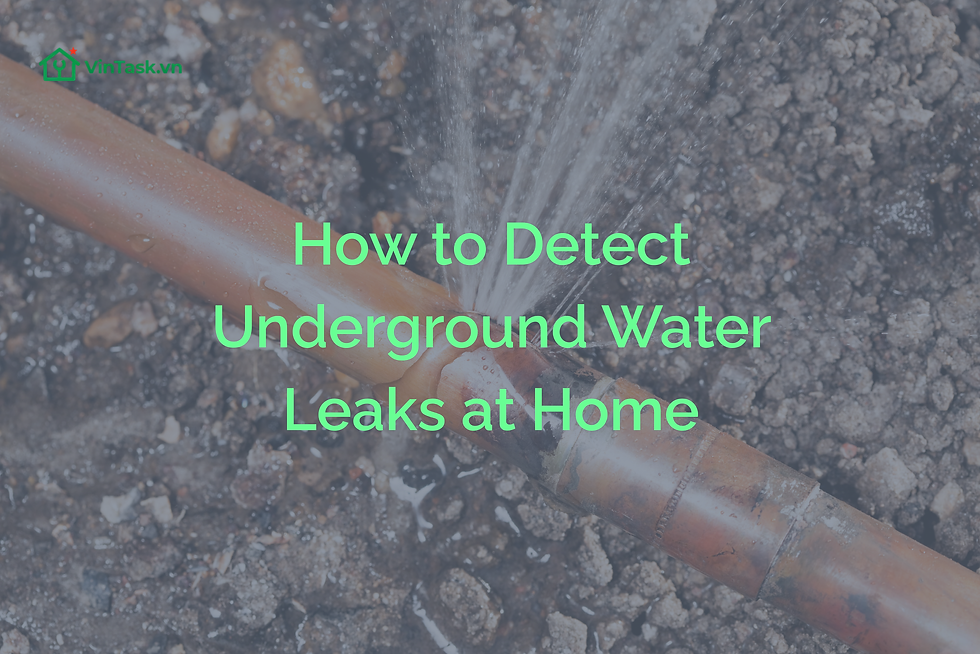
4 Signs of a Hidden Water Leak
Since water pipes are usually installed hidden inside walls or under floors, detecting leaks with the naked eye is very difficult. However, households can recognize the issue through the following 4 typical signs:
Unusually high water bill: This is the most noticeable sign. The water bill for the current month increases sharply compared to previous months, even though the number of family members and the household's water needs remain completely unchanged.

Mold or damp patches on walls and floors: Around areas where water pipes run, walls may become discolored, develop green moss, or have peeling paint. Alternatively, the floor may remain constantly wet even though no one has cleaned or spilled water.

Water pump running continuously: For homes using an automatic water pump system, if the pump suddenly cycles on and off repeatedly or runs day and night even when all water faucets in the house are tightly closed, there is a high probability that a pipe has burst.

Sudden drop in water pressure: If water flowing from the showerhead, sink faucet, or bidet sprayer becomes noticeably weaker than usual, and it is not due to a scheduled water outage, it is highly likely that water is leaking from the pipeline.

How to Quickly Self-Check the Home Water System
To accurately determine whether there is a water leak in the house, households can perform a quick check following these simple steps:
Step 1: Turn off all water faucets and water-using appliances in the house (including sink faucets, showerheads, washing machines, and toilet float valves). Ensure that no equipment is running throughout the inspection process.

Step 2: Walk over to the main water meter of the house and carefully observe the numbers or the rotating needle on the meter dial.
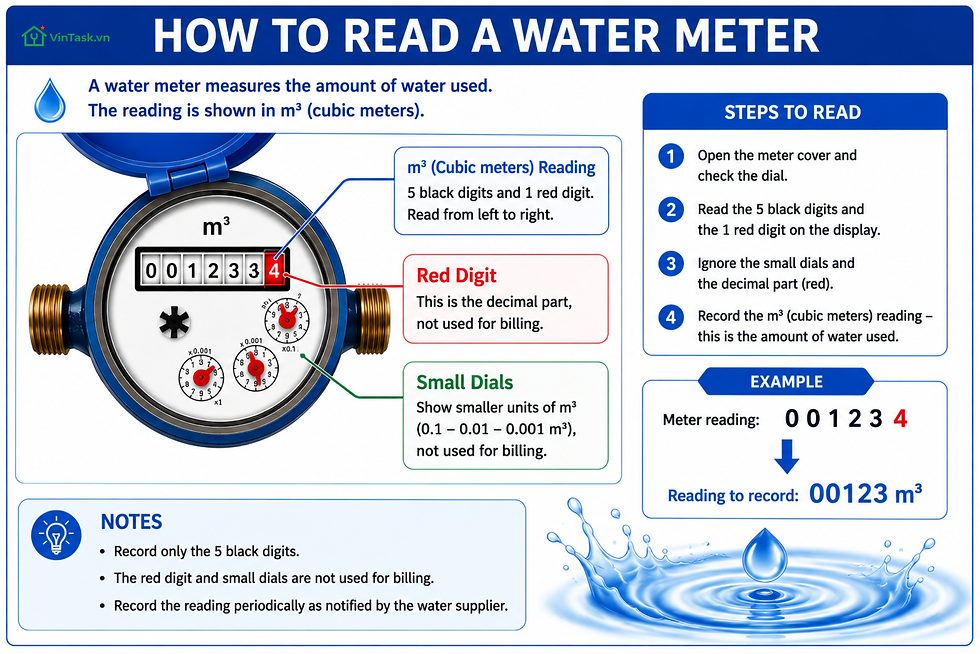
Result: If all appliances in the house are tightly shut off but the numbers or the needle on the meter continue to move or rotate, it proves that the plumbing system definitely has a burst or a leak somewhere.
Hidden Dangers: More Than Just Wasted Money
Prolonged, hidden water leaks not only increase monthly living expenses but also cause many serious consequences for the house:
Property damage: Long-term water saturation weakens walls, peels off paint or plaster, and causes black mold, which negatively affects the aesthetics and living space.

Risk of electrical fire and short circuits: This is the greatest danger. If hidden water leaks seep into technical boxes or come into contact with underground electrical wiring, short circuits can easily occur. This issue usually leads to a situation where the circuit breaker trips continuously, or worse, causes electricity to leak into the walls, creating a serious safety hazard for family members if accidentally touched

Definite Solutions for Detecting Underground Water Leaks
For water leaks hidden inside walls or beneath floors, guessing and breaking open walls manually usually proves ineffective. On the contrary, it often results in unsightly patches and damages the structure of the house.
Today, professional repair services typically utilize ultrasonic water pipe leak detectors. This equipment helps locate the exact position of the burst pipe deep within walls or underground without requiring extensive demolition, saving significant time and repair costs for the household.
Learn more:


Comments